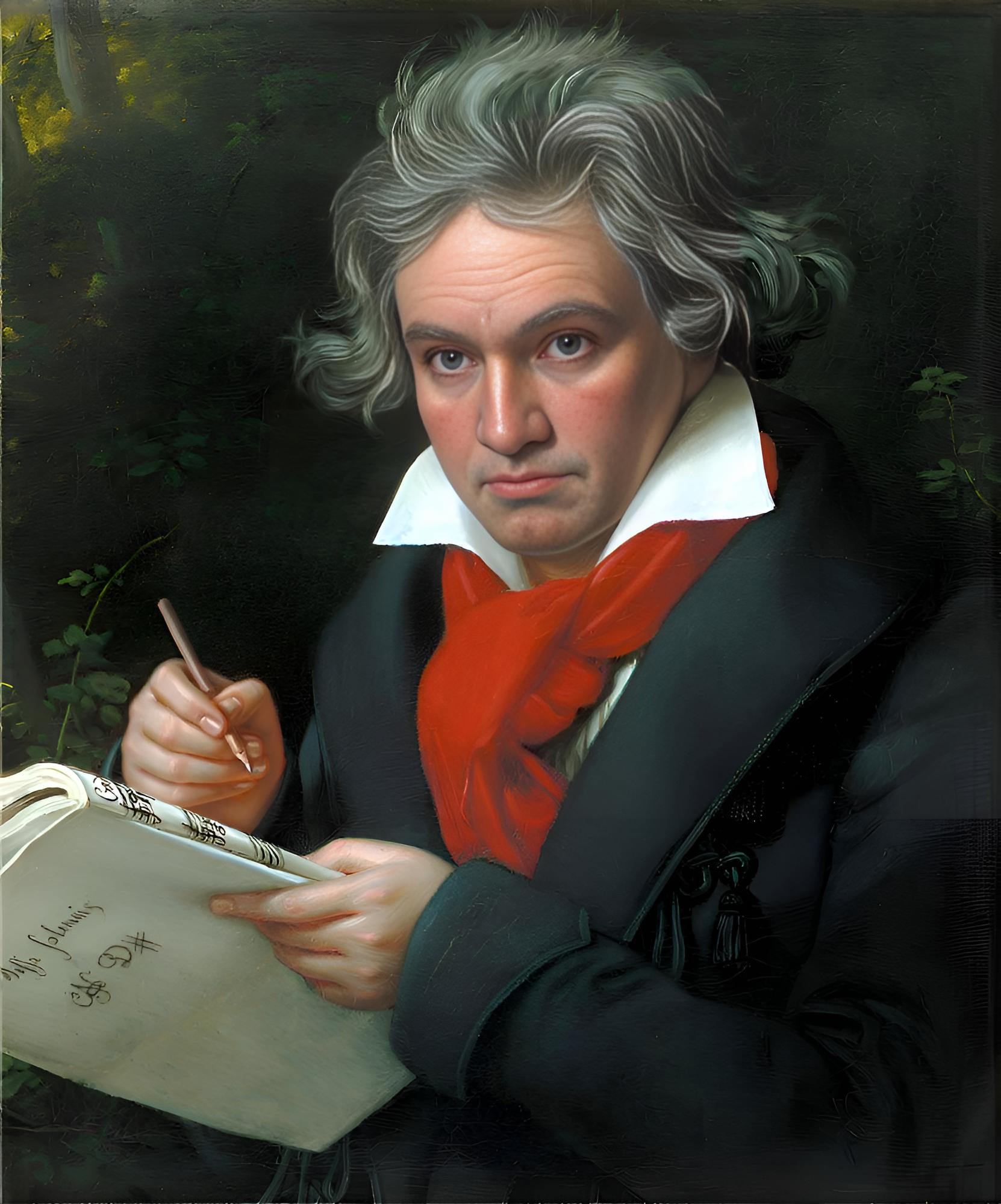

On Musicians’ “Fickleness” or “betrayal”
William Byrd, a lifelong Catholic, composed numerous works for the Church of England (such as anthems) to support himself. Bach, a Lutheran, also composed a mass for Catholics for his “looking for work” in Dresden. However, these works may not have been condemned as betryals even at the time. Claude Barbatre was Marie Antoinette’s harpsichord teacher, but after losing his position during the Revolution, he wrote pieces like “Variations on La Marseilleuse” to curry favor with the revolutionaries. While this could be considered a “betrayal”, there may still be room for sympathy. Beethoven dedicated his Third Symphony to Napoleon, but is said to have been enraged upon learning of his accession to the throne. Rather than a “Fickleness”, this should be seen as a problem on Napoleon’s part. Japanese composer Toroku Takagi composed numerous “military songs” during the war, and after the war he successfully extended his career by serving as a judge on programs such as “Family Singing Contest”. Herbert von Karajan was a member of the Nazi Party, but continued to be active after the war without being held accountable. Frederick the Great’s “Hohenfriedberg March” was often performed in Japan during the war, but we are now fond of his flute sonatas, concertos and synfonias. Of the “Fickleness” of the musicians mentioned above, the most shameful is that of Balbastre. #byrd #bach #balbastre #beethoven #friedrichgrosse