Bach’s “Christmas Oratorio”
This oratorio consists of six cantatas and is believed to have been first performed between late 1734 and the New Year of 1735. Many of its movements are “parodies”—that is, adaptations of earlier works. The opening chorus of the first cantata begins with a solo for the timpani, followed by a fanfare from three trumpets. Then, the flutes, oboes, and violins enter with musical figures that evoke the image of angels descending from above—a passage one might well describe as “music perfectly suited for Christmas”. In reality, however, the story is a bit different. While this opening chorus is so iconic that it has become the very “face” of the “Christmas Oratorio”, it actually has a distinct “original” source: the secular cantata BWV 214, “Tönet, ihr Pauken! Erschallet, Trompeten!”. This cantata was composed in 1733 for the birthday of Maria Josepha, Queen of Poland and Electress of Saxony; the opening chorus was repurposed for the “Christmas Oratorio” by simply substituting the original text with new lyrics. Bach employed this practice of “reusing” music in several other instances as well—though it should be noted that such reuse in no way diminishes the value of the music. The list below details which movements in the “Christmas Oratorio” were adapted from specific movements in earlier cantatas (I would like to acknowledge Wikipedia as a reference for this information). Readers may also notice references to BWV 247 and BWV 248a—works that might be less familiar—appearing here as the “original” sources. This requires some explanation. These opus numbers refer to cantatas for which the musical scores have been lost, leaving only the printed lyrics. The point is that the meter(prosody) of these lyrics corresponds perfectly to the individual movements of the “Christmas Oratorio”.
01 (I/1)Jauchzet, frohlocket, auf, preiset die Tage ←BWV 214/1Tönet, ihr Pauken! Erschallet, Trompeten:Chorus (SATB)
04 (I/4)Bereite, dich, Zion ←BWV 213/9Ich will dich nicht hören:Aria (a)
08 (I/8)Großer Herr, o starker König ←BWV 214/7Kron und Preis gekrönter Damen:Aria (b)
15 (II/6)Frohe Hirten, eilt, ach eilet ←BWV 214/5Fromme Musen! meine Glieder:Aria (a→t)
19 (II/10)Schlafe, mein Liebster, genieße der Ruh ←BWV 213/3Schlafe, mein Liebster, und pflege der Ruh:Aria (s→a)
24 (III/1&13)Herrscher des Himmels, erhöre das Lallen ←BWV 214/9Blühet, ihr Linden in Sachsen, wie Zedern:Chorus (SATB)
29 (III/6)Herr, dein Mitleid, dein Erbarmen ←BWV 213/11Ich bin deine, du bist meine:Duet (at→sb)
36 (IV/1)Fallt mit Danken, fallt mit Loben ←BWV 213/1Lasst uns sorgen, lasst uns wachen:Chorus (SATB)
39 (IV/4)Flößt, mein Heiland, flößt dein Namen ←BWV 213/5Treues Echo dieser Orten:Aria (a→s)
41 (IV/6)Ich will nur dir zu Ehren leben ←BWV 213/7Auf meinen Flügeln sollst du schweben:Aria (t)
45 (V/3)Wo ist der neugeborne König der Juden ←BWV 247/43Pfui dich, wie fein zerbrichst du den Tempel:Chorus (SATB)
47 (V/5)Erleucht auch meine finstre Sinnen ←BWV 215/7Durch die von Eifer entflammten Waffen:Aria (s→b)
51 (V/9)Ach! wann wird die Zeit erscheinen? ←? —:Trio (→sat)
54 (VI/1)Herr, wenn die stolzen Feinde schnauben ←BWV 248a/1 —:Chorus (SATB)
56 (VI/3)Du Falscher, suche nur den Herrn zu fällen ←BWV 248a/2—:Recitative (→s)
57 (VI/4)Nur ein Wink von seinen Händen ←BWV 248a/3— :Aria (→s)
61 (VI/8)So geht! Genug, mein Schatz geht nicht von hier ←BWV 248a/4—:Recitative (→t)
62 (VI/9)Nun mögt ihr stolzen Feinde schrecken ←BWV 248a/5—:Aria (→t)
63 (VI/10)Was will der Höllen Schrecken nun ←BWV 248a/6—:Recitative (→satb)
64 (VI/11)Nun seid ihr wohl gerochen ←BWV 248a/7—:Chorus (SATB)
While listening to the “Christmas Oratorio”, one moment in particular stands out: the chorale that serves as the fifth movement of the first cantata. Indeed, this chorale shares the same melody as “Herzlich tut mich verlangen”—a tune that appears no fewer than five times in Bach’s own “St. Matthew Passion”. What, then, was Bach’s intention in placing this specific melody at the middle of the first cantata of a work celebrating the birth of Christ? Furthermore, one might notice that this same melody reappears in the final movement of the sixth cantata—the conclusion of the entire oratorio. In this instance, however, the key has shifted from minor to major, and the instrumentation has been transformed into something profoundly celebratory. How are we to interpret this? My own view is as follows: from the very moment of His birth, Christ bore the destiny of the Cross. Bach sought to express this “premonition”.
This brings to mind a “lullaby” for the infant Christ by Tarquinio Merula. In this lullaby—sung by the Virgin Mary as she tenderly cradles her child—the lyrics allude to the “thorns” and “nails” that would one day pierce His body. It is a hauntingly sorrowful and somber piece, centered on these dark premonitions. While I cannot say for certain whether Bach was familiar with this work, I believe he intended to depict the same tragic reality: that for Christ, birth and the Passion are one and the same. #baroque #bach #christmasoratorio #merula #片山俊幸
https://www.facebook.com/permalink.php?story_fbid=pfbid04WLVtYWK2JHN5fauyE1bk4webCSyidjfVn95NAFoHBDdZDUNwnvu8W4kNgx1URMKl&id=100016209605860
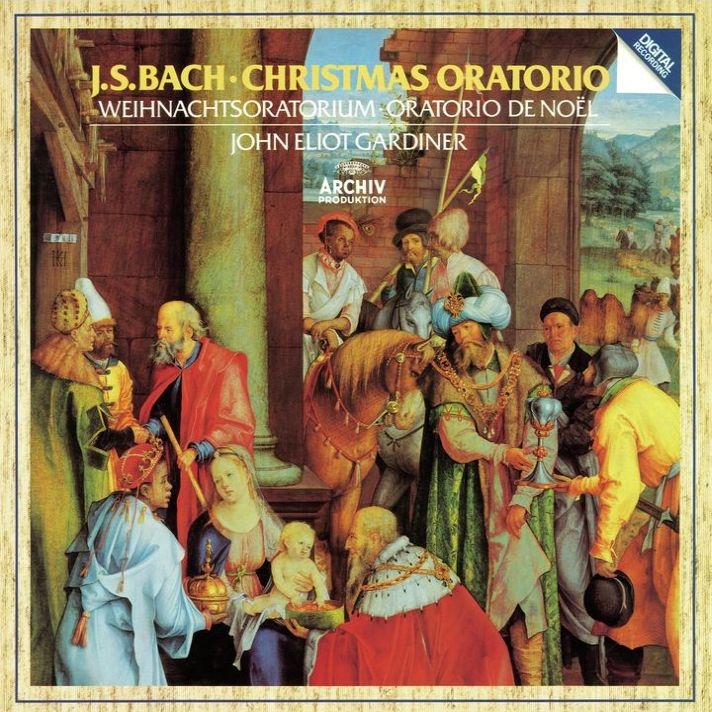
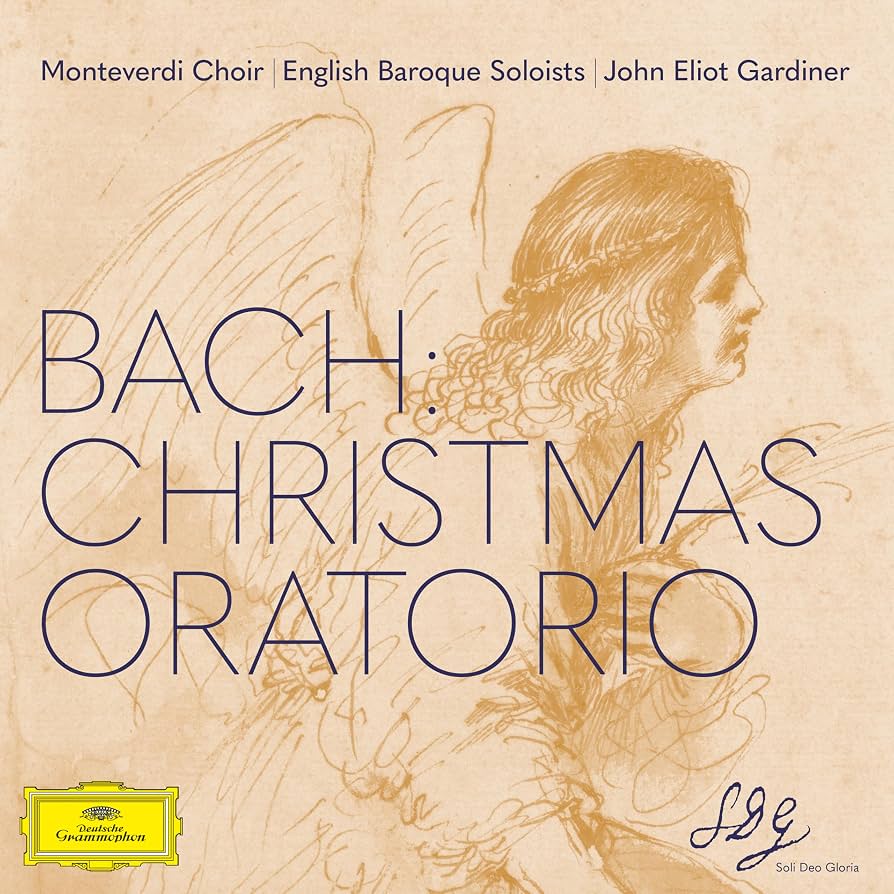
①John Eliot Gardiner
②Masaaki Suzuki
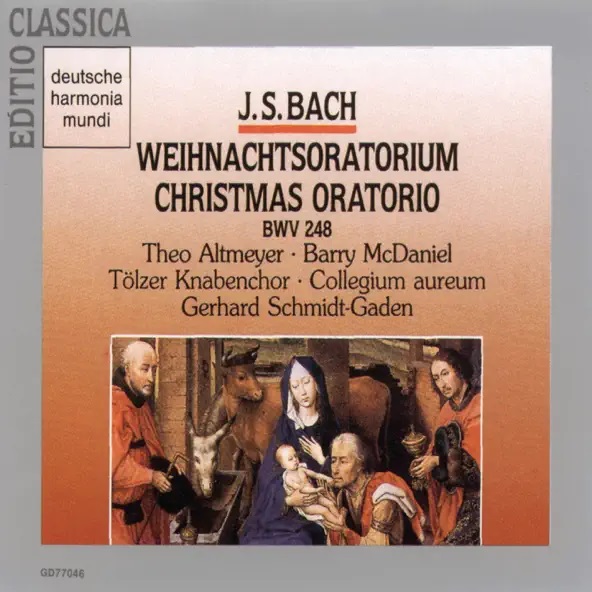
③Collegium Aureum
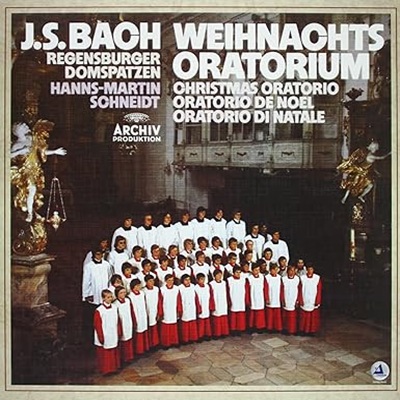
④Hanns-Martin Schneidt
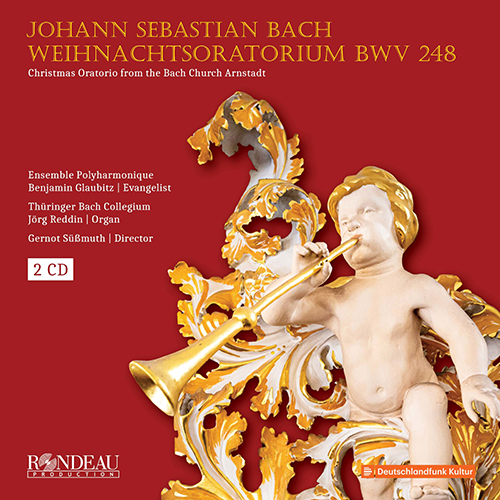
⑤Gernot Süssmuth
⑥John Eliot Gardiner
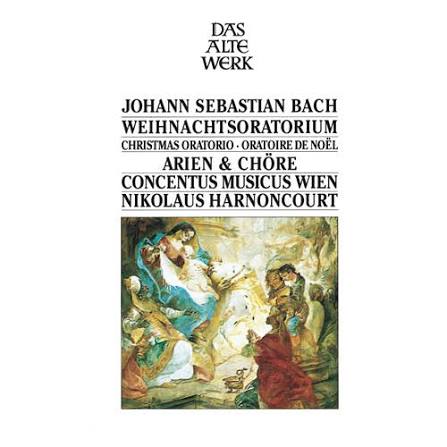
⑦Nikolaus Harnoncourt
⑧Riccardo Chailly
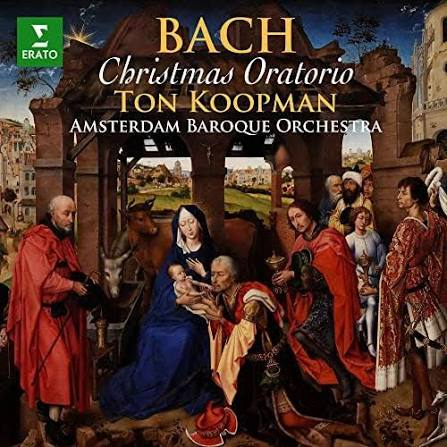
⑨Ton Koopman